
Education
What Life at a Military School Really Looks Like Today

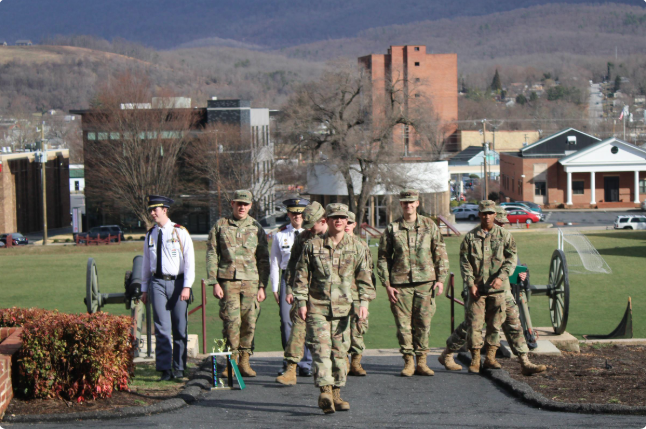
When people hear the term military school, they often picture rigid discipline, endless drills, and a one-size-fits-all environment. That image, shaped by movies and outdated assumptions, rarely reflects what modern institutions are actually like. Today’s military-style schools are far more nuanced, blending structure with personal development, academic focus, and opportunities that extend beyond traditional education models.
Understanding how these schools operate—and why families choose them—requires looking beyond stereotypes and into the daily experience of students.
Structure as a Foundation, Not a Limitation
One of the defining features of a military-style education is structure. Daily schedules are organized, expectations are clear, and accountability is built into every part of student life. But rather than restricting individuality, this framework often creates the conditions for it to emerge.
Students learn:
- Time management through consistent routines
- Responsibility through assigned roles and expectations
- Self-discipline through measurable standards
For many young people, especially those who struggle in less structured environments, this clarity can be transformative. Instead of guessing what is expected, they operate within a system that provides direction and feedback.
The Power of a Small, Focused Environment
Unlike large traditional schools where students can easily blend into the background, smaller institutions emphasize visibility and engagement. With limited enrollment and lower student-to-teacher ratios, each student receives more attention—not just academically, but personally.
This environment often leads to:
- Stronger relationships with instructors
- Faster identification of strengths and weaknesses
- Increased confidence through recognition and support
Being “seen” consistently can have a significant impact. Students who may have gone unnoticed elsewhere often begin to recognize their own capabilities when others actively acknowledge them.
Leadership Is Taught, Not Assumed
Leadership development is often a central component of military-style education. However, it’s not limited to a select group of high achievers. Instead, leadership is treated as a skill that can be developed over time.
Students are given opportunities to:
- Take responsibility for peers
- Participate in structured leadership programs
- Practice decision-making in real situations
These experiences are practical rather than theoretical. Leadership becomes something students do daily, whether organizing group activities, managing responsibilities within a dormitory, or participating in programs like JROTC.
Academic Focus with Real-World Direction
While discipline and leadership are key elements, academics remain a central priority. Many military-style schools maintain strong college placement records, but they also recognize that not every student follows the same path.
Students are encouraged to explore:
- College preparation and applications
- Service academy opportunities
- Career pathways that align with their strengths
This balanced approach ensures that students are not pushed into a single definition of success. Instead, they are guided toward paths that match their interests and abilities.
For those interested in structured academic environments combined with leadership training, exploring a modern military school can provide insight into how these elements work together.
Athletics Without the Pressure of Exclusivity
In many traditional schools, sports can become highly competitive, with limited opportunities for participation. Military-style schools often take a different approach by encouraging universal involvement.
Instead of tryouts determining participation:
- Every student is encouraged to play a sport
- Physical activity is integrated into daily life
- Teamwork is emphasized over competition alone
This approach allows students to build fitness, confidence, and camaraderie without the pressure of elite selection.
A Diverse and Inclusive Experience
Another overlooked aspect of these schools is their diversity. Students often come from different countries, cultural backgrounds, and personal experiences. Living and learning together in a shared environment fosters:
- Cultural awareness
- Adaptability
- Broader perspectives
For international students, this setting can be especially valuable. Structured support systems help them adjust while also encouraging integration into the community.
Daily Life Beyond the Classroom
Life in a military-style school extends far beyond academics. Students typically live on campus, creating a community that operates throughout the day.
A typical day might include:
- Morning routines and inspections
- Academic classes
- Physical training or sports
- Leadership activities
- Evening study sessions
This continuous environment reinforces habits and behaviors more effectively than a standard school day. Over time, these routines become internalized, shaping how students approach challenges both in and outside school.
Breaking the Stereotype
Perhaps the most important takeaway is that modern military-style schools are not designed to “fix” students. They are environments built to develop them.
The emphasis is on:
- Growth rather than correction
- Opportunity rather than restriction
- Individual potential rather than uniform outcomes
Students are not expected to fit a mold. Instead, they are guided to discover what they are capable of within a structured and supportive system.
Why It Works for Some Students
This type of education is not for everyone—and it doesn’t need to be. But for students who benefit from structure, accountability, and a close-knit community, it can offer something that traditional schools often struggle to provide.
The combination of:
- Discipline
- Personal attention
- Leadership development
- Academic focus
creates an environment where growth is not accidental—it’s built into the system.
Final Thoughts
Military-style education has evolved significantly over time. What remains constant is its commitment to helping students develop skills that extend beyond the classroom—confidence, resilience, and a sense of direction.
Understanding what these schools truly offer requires moving past outdated assumptions. When viewed in the context of modern education, they represent a distinctive approach—one that prioritizes both structure and self-discovery in equal measure.