
Automotive
Why Older Vehicles Often Develop Dashboard Cracks and Interior Fading

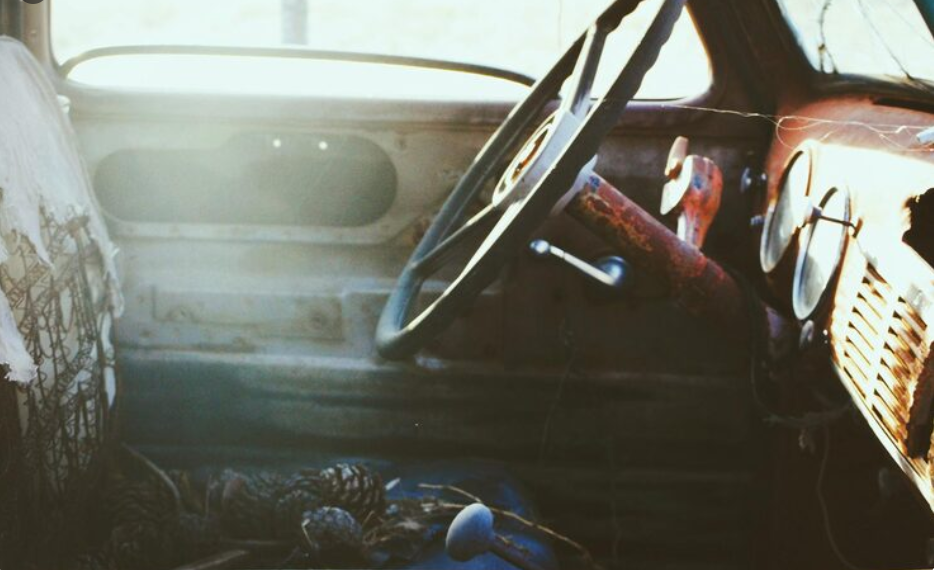
Vehicle interiors are exposed to years of sunlight, temperature changes, and everyday use. While many drivers focus mainly on mechanical maintenance, interior aging gradually becomes more noticeable as vehicles get older. One of the most common signs of interior wear is dashboard cracking and fading.
What may begin as slight discoloration can eventually develop into brittle materials, warped surfaces, and visible cracks that affect both appearance and long-term interior durability.
Sunlight Is the Biggest Cause of Interior Damage
Ultraviolet rays from the sun constantly strike vehicle interiors through the windshield and windows.
Over time, prolonged sunlight exposure gradually damages:
-
Dashboard materials
-
Door panels
-
Steering wheels
-
Seats
-
Plastic trim
Heat combined with UV exposure slowly dries out interior surfaces and weakens protective coatings.
Vehicles parked outdoors regularly often experience much faster interior aging than those kept in garages or shaded areas.
Dashboards Expand and Contract Repeatedly
Vehicle dashboards experience constant temperature fluctuations throughout the year.
During hot weather, dashboard surfaces may become extremely hot, while cold temperatures cause materials to contract again.
Years of repeated expansion and contraction place stress on dashboard materials and may eventually lead to:
-
Small surface cracks
-
Warping
-
Separation near seams
-
Material brittleness
Older vehicles are especially vulnerable because interior plastics naturally lose flexibility over time.
Heat Accelerates Material Breakdown
Closed vehicles trap significant heat during warm weather.
Interior temperatures may rise high enough to accelerate deterioration involving:
-
Plastic panels
-
Vinyl coverings
-
Adhesives
-
Foam backing materials
As materials dry out, dashboards may become:
-
Brittle
-
Faded
-
Rough to the touch
-
More prone to cracking
Dark-colored interiors often absorb even more heat, increasing long-term wear.
Interior Fading Happens Gradually
Many drivers do not immediately notice fading because the change develops slowly over several years.
Commonly faded areas include:
-
Dashboard tops
-
Door armrests
-
Steering wheels
-
Seat surfaces
-
Center consoles
Sunlight gradually breaks down pigments inside interior materials, causing colors to lose their original appearance.
In some vehicles, fading may appear uneven depending on which areas receive the most direct sunlight.
Dry Air and Low Humidity Contribute to Cracking
Climate also affects how quickly interior materials deteriorate.
Dry environments often accelerate cracking because interior surfaces lose moisture more rapidly.
Leather, vinyl, and plastic materials may eventually become:
-
Dry
-
Stiff
-
Fragile
-
More likely to split
Vehicles exposed to years of dry heat frequently develop dashboard cracks much earlier than those in milder climates.
Cleaning Products Sometimes Cause Additional Damage
Certain harsh cleaning chemicals may unintentionally accelerate dashboard deterioration.
Products containing strong solvents or alcohol-based ingredients may strip away protective oils and coatings from interior surfaces.
Over time, improper cleaning may contribute to:
-
Premature fading
-
Surface drying
-
Increased brittleness
-
Cracking
Using products specifically designed for automotive interiors helps reduce long-term material damage.
Windshield Design Affects Dashboard Exposure
Dashboard surfaces sit directly beneath the windshield, making them especially vulnerable to sunlight concentration.
Large windshields and steep windshield angles may intensify heat exposure across the dashboard area.
This is one reason dashboard cracking commonly begins near:
-
Defroster vents
-
Windshield edges
-
Instrument panel corners
Repeated heating in these areas gradually weakens material flexibility.
Interior Aging Affects Vehicle Value
Even when a vehicle still runs well mechanically, severe interior deterioration may make it feel:
-
Older
-
Poorly maintained
-
Less comfortable
-
Less appealing to buyers
Dashboard cracks and faded interiors often reduce resale value because interior condition strongly influences overall vehicle appearance.
Buyers frequently associate worn interiors with neglected maintenance, even when mechanical systems remain functional.
Older Vehicles Often Develop Multiple Interior Problems Together
As vehicles age, dashboard damage often appears alongside other interior deterioration such as:
-
Seat wear
-
Headliner sagging
-
Door panel cracking
-
Interior odors
-
Carpet fading
When several cosmetic and structural interior repairs become necessary together, restoration costs can rise quickly.
This becomes especially difficult for older high-mileage vehicles already dealing with rust, suspension wear, or engine repairs.
Why Some Owners Delay Interior Repairs
Many drivers postpone interior restoration because the vehicle still functions mechanically.
Owners may tolerate:
-
Small dashboard cracks
-
Faded trim
-
Minor cosmetic wear
for years before considering repairs.
However, once cracking spreads, repairing or replacing dashboard materials often becomes expensive and labor-intensive.
When interior restoration combines with other aging-related repair costs, continued ownership may become financially difficult to justify.
This is one reason some owners eventually explore alternatives such as Cash For Junk Cars once long-term wear and repair expenses begin outweighing the practical value of the vehicle.
Preventative Maintenance Helps Preserve Interiors
Drivers can significantly reduce dashboard and interior aging through routine care and protection.
Helpful preventative practices include:
-
Parking in shaded areas
-
Using windshield sunshades
-
Applying interior protectants
-
Cleaning surfaces gently
-
Keeping interiors properly ventilated
Routine care often prevents small cosmetic issues from becoming major interior deterioration problems later.
Final Thoughts
Older vehicles commonly develop dashboard cracks and interior fading because years of sunlight exposure, heat, temperature changes, and material aging gradually weaken interior surfaces.
Understanding how interior deterioration develops helps drivers recognize early warning signs and maintain cleaner, more comfortable, and longer-lasting vehicle interiors over time.
A Practical Sequence for New-Construction Yard Preparation
Tile vs Vinyl Flooring vs Hardwood Flooring: Which Is Better?
Helpful Home Maintenance Resources Every Homeowner Should Know About
7 Home Improvements Worth Making Before You Sell — and What to Skip
Kitchen Remodel Mistakes That Could Cost You Thousands
عقد صيانة أدوات مكافحة الحريق وشهادات السلامة والتقارير الفنية الهندسية
Little-Known Myths in Miami: Pirates, Ghosts, Treasure, and Strange South Florida Legends
Simple Ways to Make Your Computer Skills More Useful
Top 10 Immersion Silver PCB Manufacturers in 2026
