Blog
How can residents in Hobart maximise recycling and minimise landfill waste through professional rubbish removal?

Maximising recycling during rubbish removal in Hobart contributes significantly to reducing environmental impact in a region that values its natural surroundings. Professional services often have established partnerships with sorting facilities that separate materials more effectively than individual efforts. Start by conducting a thorough pre-sort: separate metals (aluminium, steel), clean plastics, paper and cardboard, glass, and timber. Even small efforts here can dramatically increase diversion rates.
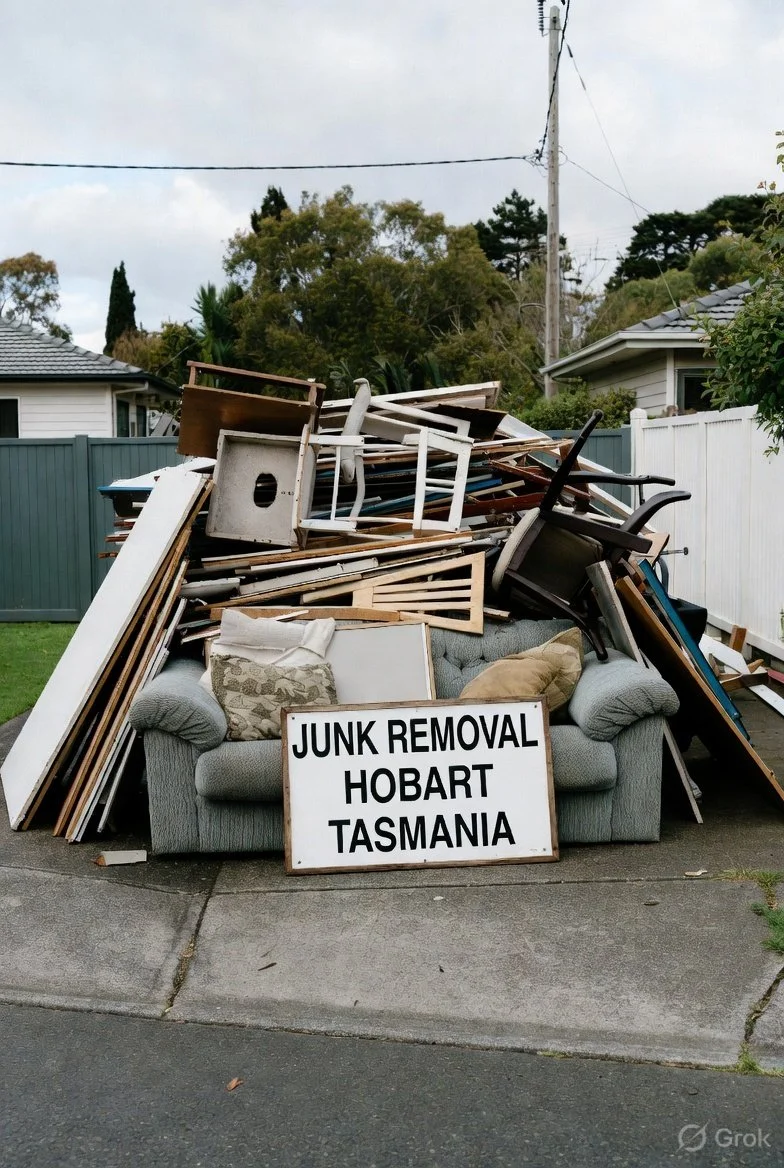

Many Hobart services track and report recycling percentages. Ask for this information when getting quotes—it indicates commitment to responsible practices. Concrete and bricks can be crushed for reuse in construction projects, while organic garden waste might be composted or turned into mulch for local parks and gardens.
Technology plays a role too. Some operators use modern vehicles with compartmentalised loading or on-site sorting systems. For larger clean-ups, they might bring mobile sorting equipment. Residents can support this by clearly labelling piles or using different coloured bins/tarps for different streams.
Education is key. Understanding what happens to materials after collection—where metals go to smelters, paper to mills, etc.—motivates better sorting. In Hobart, e-waste is particularly important due to rapid technology turnover; services often direct these to certified recyclers who recover precious metals and safely dispose of toxins.
Cost incentives sometimes exist. Loads with higher recyclable content may attract lower fees because landfill levies are expensive. Combining services like junk removal with recycling consultations can provide long-term waste reduction strategies for households.
Community aspects matter in Hobart. Coordinated neighbourhood clean-ups or shared bin hires can spread costs while increasing recycling volumes for better processing efficiency. During annual events or council initiatives, removal services often see increased activity around sustainability themes.
Challenges include contamination—food residue or mixed materials can ruin entire batches. Thorough cleaning of recyclables before setting them out helps. For items that are difficult to recycle locally (certain composites or textiles), ask about interstate or specialist options.
Ultimately, partnering with professional rubbish removal transforms waste management from a simple clean-up into an environmentally positive activity. By being proactive about sorting, asking the right questions, and choosing service providers focused on recovery, Hobart residents can significantly reduce landfill contributions while keeping their city and surrounding areas cleaner for future generations.
Hobart Rubbish Removal // Hobart Rubbish Services