A Red Cross Training Partner provides standardized, high-quality first aid and CPR education that meets national WSIB and OHS safety requirements. Selecting an authorized partner ensures your certification is recognized by employers and healthcare institutions, while providing you with the most current, evidence-based techniques to save lives during medical emergencies.
Why Is the Source of Your Training So Important?
When you decide to learn how to save a life, where you get that information isn’t just a detail—it’s the whole point. You want to know that the person teaching you how to perform chest compressions or use an AED is following the most rigorous, scientifically backed protocols available.
By choosing a Red Cross Training Partner, you are opting for a gold standard that is recognized worldwide. Whether you’re a nursing student, a construction foreman, or a new parent, having that red seal on your certificate means you’ve been trained to the highest level of competence. It’s about trust and reliability when the stakes are literally life and death.
What is the “Blended Learning” Advantage?
Let’s be honest: spending two full days in a classroom can be a tough sell for a busy professional. That’s why the modern approach to safety training has shifted. Blended learning allows you to tackle the theory at your own pace, on your own time. You can go through the modules on your laptop while having breakfast or during a quiet evening at home.
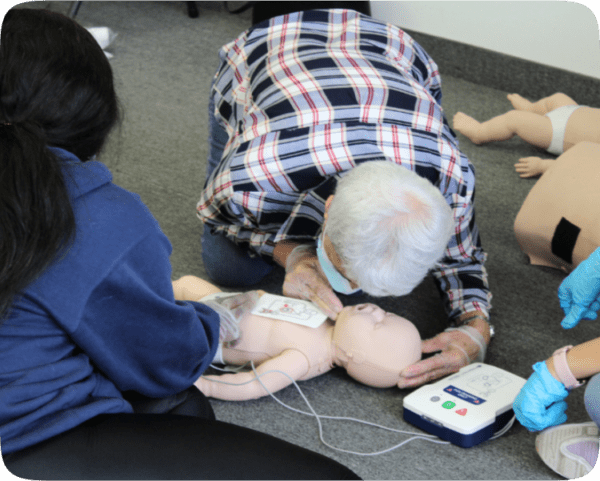
Once you’ve mastered the knowledge online, you spend a focused, high-energy session in a local classroom to perfect your physical skills. This hybrid model doesn’t just save time; it actually helps you retain the information better because you aren’t rushing through a massive manual in a single sitting.
How Do You Know If a Course is WSIB or OHS Approved?
If you are taking a course for work, “checking the box” isn’t enough. Your employer needs to know that your training meets provincial and federal safety standards. An authorized partner ensures that every course—whether it’s Standard First Aid, BLS, or Marine First Aid—is fully compliant with workplace regulations.
It prevents the nightmare scenario of showing up to a new job only to be told your “online-only” certificate isn’t valid. True first aid training requires a hands-on component, and that’s exactly what a reputable partner provides.
What Skills Will You Actually Walk Away With?
A solid training session covers more than just the basics. You’ll learn:
-
The “Primary Assessment”: How to quickly scan a scene for danger and check a victim’s vitals.
-
Choking Relief: Real-world techniques for adults, children, and infants.
-
Wound Care: Managing everything from minor scrapes to life-threatening bleeding.
-
AED Confidence: Moving past the fear of using a “shock box” to save a cardiac arrest victim.
If you are looking for first aid training near Dynes, Roseland, or other areas close to the Burlington Centre and the QEW, then you may reach out to Coast2Coast First Aid/CPR – Burlington in that area. For more info and articles like this visit Coast2Coast First Aid & Aquatics
FAQs
Is a Red Cross certificate valid outside of Canada? While Red Cross is a global organization, specific workplace requirements vary by country. However, the skills taught are based on international ILCOR standards, making them universally applicable.
What is the difference between Level C and BLS? CPR Level C is the standard for the general public and most workplaces. Basic Life Support (BLS) is a more intense level designed specifically for healthcare professionals and first responders.
Can I get my certificate on the same day? Most students receive their digital certification shortly after successfully completing their in-class skills session, making it easy to forward to an employer immediately.
What should I wear to the in-person class? Wear comfortable clothing that allows you to move freely. You will be spending a significant amount of time on the floor practicing CPR on mannequins.
Are there age requirements for first aid training? Generally, anyone old enough to physically perform the skills and understand the material can take the course, though children under 16 often require parental consent.