Home Improvement
Tile vs Vinyl Flooring vs Hardwood Flooring: Which Is Better?

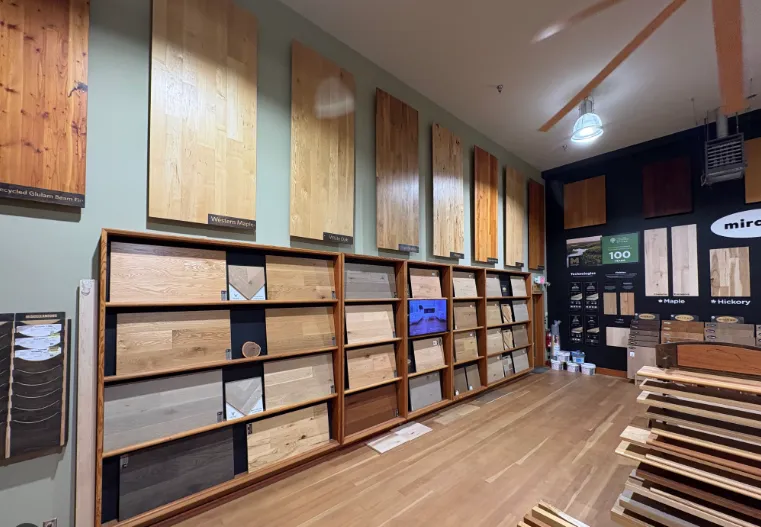

So, you are staring at your floors. Maybe you just bought a new place, or perhaps the old carpet has finally given up the ghost after one too many spills and pet accidents. Or maybe you are just tired of looking at the same old linoleum from 1998. Whatever the reason, you have landed on the big three: Tile, Vinyl, or Hardwood.
This is the holy trinity of flooring, and honestly, it is a tough choice. I get asked about this all the time by friends, family, and readers. They want to know which one is the absolute best. They want me to just tell them the answer so they can move on with their lives.
But here is the thing. There is no single “best” floor. There is only the best floor for you. It depends on your budget, your lifestyle, your pets, your kids, and even your tolerance for sweeping.
In this guide, we are going to get down to the nitty gritty. We are going to talk about the good, the bad, and the ugly sides of all three options. By the time you finish reading this, you are going to have a crystal clear picture of what belongs in your home. I am not going to use a bunch of industry jargon that puts you to sleep. I am going to talk to you like a friend who has been through this renovation rodeo a few times.
Grab a coffee, get comfortable, and let’s dig into the wild world of flooring.
The Warmth of Hardwood
Let’s start with the classic. Hardwood is the dream, right? It is the floor you see in magazines. It is the floor that makes a house feel instantly established. There is a reason why real estate agents love to list “hardwood floors” in a description. It sells a lifestyle.
When you walk into a room with genuine hardwood, there is a feeling you get. It is warm, it is organic, and it has a history. Every board has a slightly different grain pattern. It is not uniform. It is nature, brought inside.
The Emotional Appeal
I remember the first time I walked into a house with original oak floors from the 1940s. They were scratched up. They had some stains. But my goodness, they were gorgeous. They had a character that you simply cannot replicate in a factory. That is the magic of hardwood. It ages. But instead of aging poorly, it gains a “patina.” That is a fancy word for saying it wears its scars well.
If you are someone who loves the idea of a home that feels lived in and cozy, hardwood is calling your name. It is the polar opposite of sterile. It brings a sense of calm and luxury that feels effortless.
Durability and Maintenance (The Reality Check)
Now, let’s snap back to reality for a second. Hardwood is beautiful, but it is also a bit of a diva. It is prone to scratches. If you have a big dog with long nails, or if you like to drag furniture across the room without lifting it, you are going to leave marks.
Water is the enemy. If you have a leaky dishwasher or you spill a glass of water and forget about it, the wood is going to soak it up. This leads to warping, cupping, or staining. This is why hardwood is generally a bad idea for full bathrooms or laundry rooms. It is just too risky.
Maintenance involves sweeping or vacuuming regularly to keep grit off the surface. Grit is like sandpaper on wood. You will also need to use a specific wood cleaner. You cannot just slop a wet mop across it.
The good news is that hardwood can be refinished. This is its superpower. If, after ten years, your floors look like they have been through a war, you can sand them down and stain them a completely new color. You get a brand new floor without replacing the whole thing. You can generally do this two or three times over the life of the floor, depending on the thickness.
The Cost Factor
Hardwood is an investment. It is usually the most expensive option of the three, both in materials and installation. Solid hardwood needs to be nailed down, which requires a subfloor that is in good shape. Engineered hardwood is a bit cheaper and can sometimes be floated or glued, but it is still an investment.
If you are on a strict budget, you might have sticker shock. But you have to think of it as a long term investment. It adds real value to your home. If you plan on selling in a few years, hardwood is often the number one thing buyers are looking for.
The Resilience of Tile
Now let’s talk about tile. If hardwood is the soft, warm hug, tile is the cool, unshakeable handshake. Tile is tough. It is the workhorse of the flooring world. It doesn’t care about water, it doesn’t care about mud, and it scoffs at scratches.
When I think of tile, I think of Mediterranean villas, sunny kitchens, and steamy bathrooms. It has a clean, crisp aesthetic that is hard to beat.
The Kings of Wet Areas
There is no debate here. If you are flooring a bathroom, a mudroom, or a kitchen that sees a lot of spills, tile is the champion. It is completely waterproof. You can have a pipe burst, and as long as the water is cleaned up and the subfloor is okay, your tile will be perfectly fine.
This makes it the most hygienic option. It doesn’t harbor allergens, dust mites, or mold. If you have allergies, tile is a lifesaver. You can mop it with bleach, you can scrub it with heavy duty cleaners, and it just keeps on shining.
The Durability Trade Off
Tile is hard. Like, really hard. This is both its strength and its weakness.
On the strength side, it will last decades. It rarely needs to be replaced unless you just get tired of the color. It resists scratches from pets and high heels with ease. If a tile does crack, you can usually pop that one tile out and replace it without touching the rest of the floor.
On the weakness side, that hardness is unforgiving. If you drop a glass, it is not just the glass that shatters. The glass shatters into a million pieces because the tile has zero give. If you drop a heavy cast iron pot, it might crack the tile.
And let’s think about your body. If you stand in the kitchen for hours cooking, tile can be brutal on your back, knees, and feet. It is cold and hard. There is no “bounce” to it. This is why you often see people standing on gel mats in front of the kitchen sink.
The Cold Feet Factor
Speaking of cold, tile is cold. In the winter, walking on tile with bare feet can be a shock to the system. This is a major drawback for people living in colder climates.
The solution, of course, is radiant heating. You can install electric heating mats underneath the tile. This is a dream come true, honestly. A warm tile floor in a bathroom is one of life’s greatest luxuries. But it adds significantly to the installation cost and complexity.
Grout is another consideration. The tile itself is easy to clean, but the grout lines are not. Grout is porous. It stains. If you spill red wine or coffee and don’t clean it up fast, you are going to have a permanent reminder of that mistake. Sealing the grout helps, but it is a maintenance task you have to stay on top of.
The Practicality of Vinyl
Finally, let’s talk about the underdog that has completely taken over the market: Vinyl. If you haven’t looked at vinyl flooring in the last five years, you are in for a shock. This is not the peel and stick stuff from your grandma’s house. This is a whole new ballgame.
Vinyl, specifically Luxury Vinyl Plank (LVP) or Luxury Vinyl Tile (LVT), is arguably the most popular flooring choice for busy households right now. It is the chameleon of the group. It can look like wood. It can look like stone. But it costs a fraction of the price.
The Master of Disguise
The technology behind vinyl is incredible. They take high resolution photographs of real wood and stone, emboss them onto a textured surface, and cover it with a thick wear layer. From a standing height, it can be very difficult to tell the difference between a high quality LVP and real hardwood.
It gives you the aesthetic you want without the maintenance you don’t. You want the look of a rustic farmhouse oak? There is a vinyl for that. You want the look of a sleek, modern slate tile? There is a vinyl for that too.
The Comfort and Durability Combo
Here is where vinyl really shines. It is 100% waterproof. Unlike hardwood, you can install it in bathrooms. Unlike tile, it is soft and warm underfoot. It has a little bit of give to it, which makes it much more comfortable to stand on for long periods.
If you have kids and dogs, vinyl is a dream. It resists scratches. It resists dents. If your kid drops a toy or the dog sprints across the floor, the floor just takes it. It is also quieter than tile and hardwood. It absorbs sound rather than echoing it.
Cleaning is a breeze. You just sweep it and mop it with a mild cleaner. There is no grout to scrub. There are no special oils or polishes needed. It just works.
The Cons of Convenience
So, what is the catch? Why isn’t everyone just using vinyl?
The first issue is the environment and off-gassing. Vinyl is a plastic product. It is made from PVC. Some cheaper vinyls can release Volatile Organic Compounds (VOCs) into your home, which can affect air quality. If you are going this route, you want to look for certifications like FloorScore to ensure it is safe for indoor air.
The second issue is repair. While vinyl is tough, it is not indestructible. If a sharp object cuts deep into the plank, or if the locking mechanism fails, you cannot just sand it down like hardwood. You have to replace the plank. This can be tricky if the flooring is interlocked. Sometimes you have to disassemble a section of the floor just to replace one piece in the middle.
Finally, there is the resale value. While vinyl is gaining acceptance, it doesn’t carry the same cachet as real hardwood. Some purists will always see it as “fake.” If you are in a luxury market, cheap vinyl might turn buyers off. However, in a mid-range market, a nice LVP is usually seen as a positive, especially for families.
The Head to Head Comparison
Okay, we have gone over the basics of all three. Now, let’s put them in the ring together and see how they compare in specific categories. This is where we make the decision.
Water Resistance
If water is your main concern, vinyl and tile are the winners, and hardwood is the loser.
- Tile: Perfect. A life raft for your floors.
- Vinyl: Perfect. Waterproof through and through.
- Hardwood: Poor. A spilled glass left overnight can ruin your week.
Comfort and Warmth
This is where tile fails and the others succeed.
- Vinyl: Soft, warm, and forgiving. Great for standing.
- Hardwood: Warm and has natural give. Very comfortable.
- Tile: Hard and cold. Needs rugs or radiant heat.
Pet Friendliness
Pets are hard on floors. Claws, accidents, and water bowls.
- Vinyl: The clear winner. Scratch resistant and waterproof.
- Tile: Very scratch resistant, but cold. Accidents might stain grout.
- Hardwood: Scratches easily. Water damage from accidents is a real risk.
Resale Value
This is about perception and money.
- Hardwood: The king. Buyers love it. Adds true monetary value.
- Tile: Good in specific areas like kitchens and baths. Neutral elsewhere.
- Vinyl: Good for entry level homes. Might not impress in luxury homes.
Installation
Are you a DIYer? This matters a lot.
- Vinyl: Easiest. Many options are click lock and float over the subfloor. You can do a room in a day.
- Tile: Hard. Requires cutting, leveling, mortar, and grout. Messy and time consuming. Best left to pros unless you are experienced.
- Hardwood: Hard. Requires nailing, acclimation, and precise cuts. Usually best left to professionals.
Lifespan
How long do you want this to last?
- Tile: 50 to 100 years. It is forever.
- Hardwood: 100 years plus. It is forever, provided you take care of it and refinish it.
- Vinyl: 10 to 25 years. It is a long time, but it is not a lifetime.
The Aesthetic Debate: Which Looks Best?
Beauty is in the eye of the beholder, but we have to talk about it.
Hardwood has depth. It has texture. It has color variation. It feels “rich.” Even a cheap oak floor has a warmth that is hard to quantify. It looks expensive because, well, it is.
Tile looks solid. It looks clean. It suggests permanence and elegance, especially if you use large format tiles or natural stone like marble or travertine. It is the look of luxury spas and high end hotels.
Vinyl looks good, and sometimes it looks great, but it can look repetitive. Because it is printed, the patterns repeat. If you buy a cheap vinyl, you will see the same “knot” in the wood pattern every few planks. High end vinyl has more variation, but it still sits flat on the subfloor. It doesn’t have the slight highs and lows of real wood or the beveled edges of real tile. It is a 2D representation of a 3D product.
If you are a detail oriented person, you might notice this. If you are just looking for a nice background to your life, you probably won’t care.
The Budget Breakdown
Let’s talk dollars and cents. Prices vary by region, but generally:
- Vinyl: The most budget friendly. You can find good quality LVP for $2 to $5 per square foot. Installation is cheap or free if you do it yourself.
- Tile: Mid range. Ceramic tile can be $1 to $5 per square foot, but porcelain and natural stone go way up. Installation is expensive, often doubling the material cost.
- Hardwood: The most expensive. Solid hardwood starts around $5 per square foot and goes up to $15 or more for exotic species. Engineered is slightly less. Installation is also pricey.
You have to consider the total cost of ownership. Vinyl is cheap now, but you will replace it in 15 years. Hardwood is expensive now, but it might last 100 years. Tile is expensive to install, but you will never have to touch it again.
Which Room Are We Talking About?
This is the most important question. You do not have to pick one flooring for your entire house. In fact, you probably shouldn’t.
The Kitchen: This is the high traffic, high spill zone. Tile and Vinyl are the practical choices. Hardwood can work if you are a careful person and you have a rug by the sink, but it is a risk.
The Bathroom: This is a no brainer. Tile or Vinyl. Hardwood should be avoided unless it is a powder room with no shower.
The Living Room: This is where you want to impress and be comfortable. Hardwood is the star here. Vinyl is a great runner up if you have kids and you want a “wood look” without the stress.
The Basement: Basements are prone to moisture. Hardwood is usually a bad idea (unless you use engineered with a very good moisture barrier). Tile is cold. Vinyl is the perfect choice for basements because it is waterproof and warmer than tile.
The Bedrooms: Hardwood is the classic choice for bedrooms. It is warm and clean. Carpet is also common, but since we are just comparing these three, hardwood wins here for comfort and aesthetics.
The Installation Dilemma
Let’s be real about installation. It is a massive pain.
If you are hiring a pro, make sure they are licensed and insured. Get multiple quotes. Flooring installation is one of those trades where you get what you pay for. A bad tile job will have uneven edges. A bad hardwood job will have gaps. A bad vinyl job will have peaks and valleys.
If you are doing it yourself, Vinyl is your best friend. The click lock systems are very user friendly. You just need a utility knife and a rubber mallet.
Tile is the hardest DIY. Cutting tile is difficult, and mixing mortar is heavy work. If you have never done it before, start with a small bathroom, not a huge kitchen.
Hardwood is also difficult. You need a flooring nailer, a saw, and a lot of patience. If you mess up a cut, you waste a very expensive piece of wood.
The “Green” Factor
We are all trying to be a little more eco-conscious these days.
Hardwood is a natural resource. If it is sourced responsibly (look for FSC certification), it is renewable and biodegradable. It also lasts forever, so it doesn’t end up in a landfill. However, cutting down old growth trees is not great, and the finishes can have VOCs.
Tile is made from clay and minerals. It is very durable and doesn’t off-gas. It is an excellent choice for air quality. However, the manufacturing process uses a lot of energy, and if you demolish it, it creates heavy construction waste.
Vinyl is the least green. It is a petroleum product. It requires fossil fuels to make. When you tear it out, it goes to the dump. While some brands are recyclable, the reality is that most of it ends up in a landfill. It is the “fast fashion” of flooring.
The Sound Test
Do you like a quiet house?
Hardwood can be creaky. It can echo. If you have people walking upstairs in heels, you will hear it.
Tile is the loudest. It reflects sound. A room with tile floors and high ceilings can sound like a gymnasium.
Vinyl is the quietest. It is dense and soft. It absorbs the sound of footsteps and reduces echo. If you have a loud family, vinyl will help keep the noise down.
The Sun Fade Factor
If you have big, beautiful windows, you need to think about the sun.
Hardwood is susceptible to UV rays. Over time, the sun will bleach the wood. If you have a rug in the middle of the room, you will eventually see a “shadow” where the rug was, because the wood under it will be darker than the wood around it. You can mitigate this by moving your rugs around and using window treatments.
Tile is immune to sunlight. It will not fade.
Vinyl is also pretty resistant to fading, but cheaper brands can fade or yellow if exposed to intense sun. If you are putting vinyl in a sunroom, check the warranty to make sure it covers UV exposure.
The “Feel” Test
You cannot decide on flooring from a picture. You have to touch it.
Go to a store. Take off your shoes. Walk on the samples.
Walk on the tile. Note how it feels on your bare feet. Is it too cold? Too hard?
Walk on the hardwood. Feel the wood grain under your toes.
Walk on the vinyl. Note the texture. Does it feel like plastic? Does it feel like real wood?
This sensory test is crucial. You might love the look of tile in a photo, but if you hate the feel of it under your feet, you will hate your house every day.
The Maintenance Regime
How much time do you want to spend cleaning?
Vinyl: Sweep and damp mop. Done.
Tile: Sweep and mop. Scrub grout occasionally. Re-seal grout every few years.
Hardwood: Sweep often. Vacuum with a soft brush. Use specialized cleaners. Avoid water. Polish occasionally. Refinish every 10 to 15 years.
If you are a busy person who hates chores, vinyl is a lifesaver. If you don’t mind a little upkeep to preserve the beauty of a natural material, hardwood is worth it.
The “Who Lives Here” Factor
Let’s get personal.
Are you a retired couple with no pets and no kids? You can have anything you want. Hardwood will look stunning and stay pristine.
Are you a young family with three kids, two dogs, and a cat? You are living in a war zone. Water spills, toy drops, and pet claws are your daily reality. You need Vinyl. Trust me on this. Hardwood will give you anxiety. Tile will break your kids’ toys (and maybe their heads). Vinyl is the chill parent of flooring.
Do you love to host parties? Are you worried about red wine spills? Tile might be your best bet, especially in the kitchen and dining area. You can mop up anything and not panic.
The “Mismatched” Floor Plan
In modern homes, the open concept layout is king. This presents a challenge. Where does the kitchen tile end and the living room hardwood begin?
If you have an open floor plan, you need to think about flow. Many people choose Vinyl for the entire main floor because it provides a seamless, continuous look while still being waterproof in the kitchen. It solves the transition problem perfectly.
If you try to mix tile and hardwood in an open space, you need to make sure the transition looks intentional. Otherwise, it can look messy.
The Quality Spectrum
We have been talking about these categories broadly, but within each category, there is a massive range of quality.
Vinyl: The difference between a $1.50/sq ft vinyl and a $5/sq ft vinyl is huge. The cheaper stuff is thin, shiny, and looks fake. The expensive stuff has a thick wear layer (20 mil or more), beveled edges, and realistic textures. If you go vinyl, do not buy the cheapest option. It will disappoint you.
Tile: The difference between ceramic and porcelain matters. Porcelain is denser and more water resistant. It is worth the extra money. The quality of the glazing matters too. Cheap tile chips easily.
Hardwood: The species matters. Oak is hard and durable. Pine is soft and will dent if you look at it wrong. The width of the planks and the grade of the wood affect the look. You want clear grade if you want a clean look, or character grade if you want knots and imperfections.
The “Forever Home” vs. “Flip”
What is your plan for this house?
If you are flipping a house or planning to sell in five years, you have a different calculus. You want the best return on investment with the least hassle.
- Vinyl: Great for flips. It is cheap, fast to install, and looks good in photos. Buyers like “new flooring” even if it isn’t real wood.
- Hardwood: Great if you can afford it. It is a major selling point. You can charge more for a house with hardwood.
- Tile: Neutral. If the house has old, dirty carpet, putting new tile in the bathrooms and kitchen is a must.
If this is your forever home, choose what makes you happy. Don’t worry so much about resale value. If you love the look of walnut hardwood, get it. If you want the ease of vinyl, get it. You are the one living there.
The Dust and Allergen Factor
For allergy sufferers, this is a big deal.
Hardwood and Tile are the best for allergies. They do not trap dust, pollen, or pet dander. A quick sweep or mop removes all the irritants.
Vinyl is also good for allergies in a practical sense because it is easy to clean. However, the texture of the vinyl can sometimes trap dust in the embossing, so you need to make sure you are using a good mop.
Carpet is the enemy of allergy sufferers, but since we are only talking about our three contenders, they all perform very well here.
The Squeak Factor
If you have a wooden subfloor, you might deal with squeaks.
Hardwood can squeak over time as the nails loosen.
Tile, if installed incorrectly on a wooden subfloor, can crack or “pop” if the subfloor flexes.
Vinyl, being a floating floor, usually has a foam underlayment that eliminates squeaks and provides a smooth surface.
The Verdict: Which Is Better?
Okay, I have made you wait long enough. Let’s summarize.
If you want the most durable, waterproof, and budget friendly option, Vinyl is better.
If you want the most luxurious, value adding, and long lasting option, Hardwood is better.
If you want the most solid, hygienic, and permanent option, Tile is better.
See? I told you it wasn’t easy.
My Personal Recommendation
If I had to give you a formula, it would look like this:
Choose Vinyl if you have a busy household, pets, kids, a tight budget, or a basement.
Choose Tile if you are designing a bathroom, a laundry room, or a high end kitchen where hygiene and water resistance are paramount.
Choose Hardwood if you are designing a living room, dining room, or master suite, and you value natural beauty over extreme practicality.
The Hybrid Approach
Why not mix them?
This is actually the smartest solution for many homes. Put Tile in the bathrooms. Put Hardwood in the living room and bedrooms. Put Vinyl in the mudroom and basement.
You do not have to be a purist. Your home has different zones with different needs. Treat them differently.
The Final Word on Sourcing
If you are in the Greater Toronto Area and you have decided that real wood is the only way to go for your living space, you need to find a supplier that knows their stuff. You want someone who can walk you through the difference between red oak and white oak, and help you understand the Janka hardness scale. For the best selection and expertise in solid and engineered wood, you absolutely need to check out the leading Hardwood Store in Toronto. They can guide you through the process and help you find the perfect boards for your home.
Similarly, if you have decided that the durability of porcelain or ceramic is the right fit for your kitchen or bath, you don’t want just any tile. You want options, and you want quality. If you are out in the west end, finding the right Tile Store in Mississauga is crucial. A good tile supplier will have designers on staff to help you pick the right size, color, and texture, and they will warn you about the pitfalls of buying cheap, low grade tile.
Wrapping It Up
Choosing a floor is a big decision. It is the foundation of your home’s design. But don’t let the pressure get to you.
Remember that no floor is perfect. They all have compromises. The key is to figure out which compromises you are willing to make.
Do you compromise on price to get the beauty of hardwood?
Do you compromise on comfort to get the durability of tile?
Do you compromise on authenticity to get the convenience of vinyl?
Take your time. Order samples. Look at them in your own lighting. Live with them for a week. Put them on the floor and step on them every time you walk by.
The right floor is the one that makes you happy when you walk in the door. It is the one that fits your life. Choose that one, and you have made the right choice.
Happy renovating