She wanted candlelit dinners on the beach. He wanted to rent a scooter and explore temples off the tourist trail. They both wanted Bali — that part was easy. Everything else required three weeks of negotiation, two arguments about budget, and one very tense conversation about whether “romantic” and “adventurous” are mutually exclusive. They are not, as it turns out. But figuring that out cost them time and energy that should have gone into excitement, not logistics. They eventually sorted it out, had a genuinely extraordinary honeymoon, and now tell the story as a funny anecdote. At the time, it wasn’t funny at all.
A honeymoon is not a regular vacation with better sheets. The emotional stakes are different. The expectations — spoken and unspoken — are higher. And the consequences of a bad experience land differently when the trip is supposed to mark the beginning of a life together rather than just a break from work. That’s why approaching honeymoon packages Bali with real intention matters more than people expect. Not because Bali can disappoint — it almost never does, if you approach it correctly — but because the planning stage is where most honeymoon problems are quietly born and where most of them can just as quietly be prevented.
Bali has earned its reputation as one of the world’s great honeymoon destinations for reasons that go beyond aesthetics. Yes, the rice terraces are beautiful. Yes, the sunsets over the Indian Ocean at Uluwatu are the kind that make people go quiet mid-sentence. But what makes Bali genuinely special for couples is the combination of intimacy and variety that’s hard to find in a single destination. You can spend a morning in a private villa with a pool hidden behind stone walls and tropical vegetation, have lunch at a warung where the owner’s grandmother does the cooking, watch a Kecak ceremony at a clifftop temple in the evening, and end the night at a rooftop bar in Seminyak with a cocktail that costs four dollars. That range — from deeply private to vibrantly social, from ancient to contemporary — means two people with slightly different travel personalities can both get exactly what they need from the same trip.
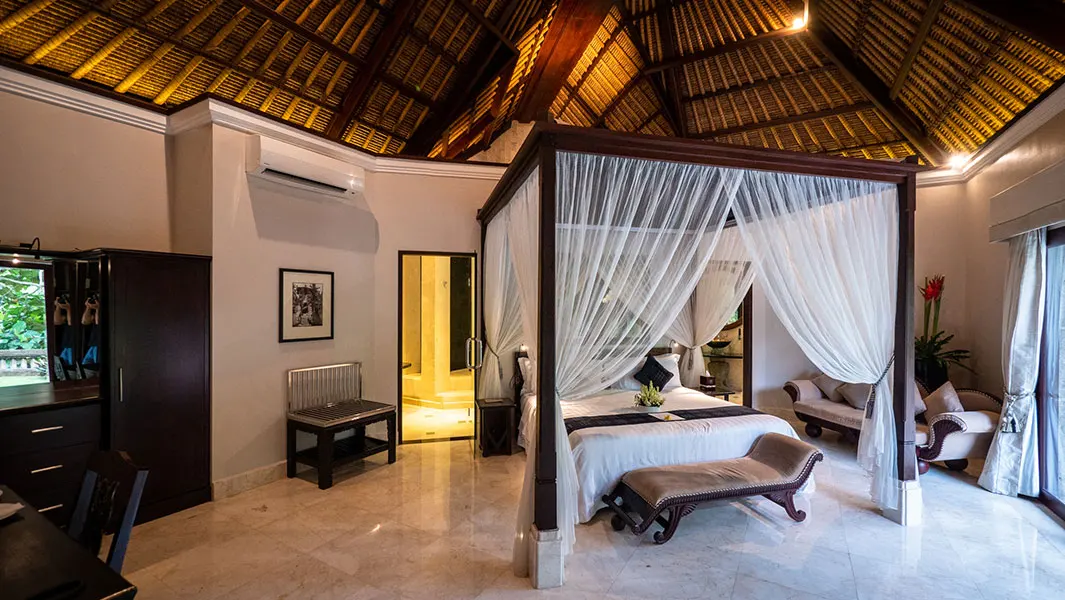
The villa question deserves its own discussion. For honeymooners specifically, a private villa rather than a hotel room changes the entire texture of a stay. Not necessarily because of luxury — though many Balinese villas are extraordinarily well-designed — but because of privacy and pace. You wake up when you want. You have breakfast in a sarong by your own pool. Nobody is knocking on the door with towel art and a schedule of organized activities. The best honeymoon villas in Bali are concentrated in a few areas: Seminyak and Petitenget for couples who want proximity to restaurants and nightlife; Ubud for those who want to fall asleep to jungle sounds and wake up to mist over rice fields; the Bukit Peninsula for dramatic ocean views and the kind of seclusion that makes the rest of the world feel genuinely far away.
Planning the balance between structure and spontaneity is where most honeymoon itineraries either succeed or fail quietly. Too much structure — every hour accounted for, every restaurant pre-booked, every activity scheduled — and the trip starts to feel like a performance of romance rather than the real thing. Too little structure on a honeymoon, especially in a first-time destination, creates friction exactly when you don’t want it: standing on a street corner at 7pm, hungry and tired and disagreeing about where to eat. The answer is a light architecture. Two or three genuinely special experiences booked in advance — a sunset dinner at a cliffside restaurant in Uluwatu, a couples’ massage at one of Ubud’s world-class spas, a private cooking class in a family compound — surrounded by days that are deliberately unscheduled. Leave room for the afternoon you discover a beach nobody else seems to know about. Leave room for changing your mind.
Getting the timing right matters for honeymooners perhaps more than any other category of traveler, because a honeymoon is not a trip you easily reschedule. The dry season months of May, June, and September offer the most reliable weather without the price spikes and crowds of peak August. April is transitional but often beautiful. If the wedding date forces a wet-season trip, November and early December are more manageable than January and February — shorter rain bursts, still plenty of sunshine, and accommodation prices that leave room in the budget for the kind of upgrade that turns a good trip into an unforgettable one. The private villa that felt slightly out of reach at peak-season rates becomes entirely reasonable when you’re traveling in a quieter month.
Bali does something to people in love that’s difficult to articulate without sounding like a brochure. The pace slows. The light does something extraordinary in the late afternoon. There’s a warmth in the culture — a genuine, unperformed hospitality — that makes guests feel welcome rather than tolerated. Couples who arrive tense from wedding planning almost always decompress faster than they expected. The island has a quality of presence that’s contagious. You stop thinking about what comes next and start paying attention to right now. For a honeymoon, that might be the most valuable thing any destination can offer.