Pet
Bad Breath vs. Periodontal Disease: Can the Best Cat Dental Treats Fix “Stinky Kitty” Syndrome?

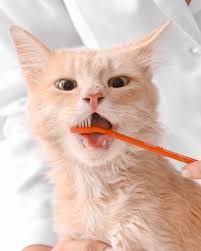
Has your living room ever been filled with a sudden, mysterious odor, only for you to trace it back to a sweet little yawn from your feline companion? If you have ever cringed when your cat gets close to your face for a snuggle, you are familiar with “Stinky Kitty” Syndrome. While many pet parents laugh off occasional bad breath as a quirky downside of a fish-heavy diet, a foul odor coming from a cat’s mouth is often a warning sign of a much deeper medical issue.
Understanding the critical difference between temporary bad breath and progressive periodontal disease is essential for any pet owner. Many people immediately look for a quick fix, wondering if simply buying the best cat dental treats can reverse the damage and restore fresh breath. Exploring the root causes of feline oral odors reveals how periodontal disease develops, and highlights which targeted solutions can truly make a difference for your cat.
The Spectrum of Feline Oral Health: Halitosis vs. Periodontal Disease
Feline halitosis, the medical term for bad breath, is not a disease on its own. It is a clinical symptom. Sometimes, it is caused by something simple, like a bit of smelly wet food stuck between the teeth. However, when the odor is persistent, pungent, and smells like decay, it points directly toward periodontal disease.
Periodontal disease is an active infection and inflammation of the tissues that surround and support the teeth. The process begins with plaque, a soft, sticky film of bacteria that constantly forms on the teeth. If it is not removed, minerals in the cat’s saliva harden the plaque into tartar, also known as calculus. Tartar provides a rough surface where even more bacteria can thrive, eventually expanding beneath the gum line.
As bacteria multiply under the gums, the body’s immune system attempts to fight off the infection. This leads to gingivitis, characterized by red, swollen, and bleeding gums. Left untreated, gingivitis progresses to advanced periodontitis. At this stage, the tissues and bones supporting the teeth are destroyed. This causes severe pain, loose teeth, bone loss, and systemic health risks as bacteria enter the bloodstream.
Can Dental Treats Fix the Stinky Kitty Problem?
The short answer is that it depends entirely on the stage of the oral health issue. If your cat has a mild accumulation of plaque and early-stage gingivitis, high-quality crunchy snacks can be incredibly beneficial.
When a cat bites into a properly formulated, abrasive dental snack, the texture creates mechanical scraping against the tooth surface. This action works to wipe away soft plaque before it can calcify into rock-hard tartar. Many of these products also contain active ingredients that help bind calcium in the saliva, preventing it from hardening onto the enamel.
However, if your cat is already suffering from fully developed periodontal disease, treats alone cannot fix the issue. Tartar cannot be chewed away by a snack, and treats cannot reach the deep bacterial pockets underneath the gum line. In fact, if a cat has loose teeth or ulcerated gums, forcing them to chew hard kibbles or treats can cause significant pain, sometimes causing them to swallow the treat whole or avoid eating altogether. In these advanced cases, a professional veterinary dental cleaning under anesthesia is required to remove subgingival plaque and extract non-viable teeth.
Top Feline Dental Solutions from Kwik Pets
Maintaining daily oral hygiene for cats can be difficult, as few felines tolerate a toothbrush willingly. Utilizing specific products from Kwik Pets can support your cat’s dental health and keep their breath fresh.
Greenies Feline Oven Roasted Chicken Adult Cat Dental Treats
Greenies is a widely recognized brand for feline oral care, and for good reason. These crunchy bites feature a unique shape and texture designed to wrap around the tooth, scraping away plaque as the cat chews. They are highly palatable, meaning even picky eaters will view their dental care routine as a reward. Incorporating these regularly into your cat’s routine serves as an excellent preventative measure against the buildup of tartar.
NaturVet ProDen PlaqueOff Soft Chews for Cats
For cats that prefer a softer texture, or pet parents looking for a systemic approach, these soft chews offer a different strategy. Formulated with specially selected kelp, this supplement works internally. The compounds are absorbed into the bloodstream and alter the composition of the saliva, making it harder for plaque to stick to the teeth and softening existing tartar over time. It is an excellent option for maintaining oral hygiene without relying solely on mechanical scraping.
Whimzees Natural Dental Treats for Cats Chicken & Tuna
Whimzees offers an all-natural, grain-free option for cats requiring dental attention. These treats are designed to be long-lasting, encouraging prolonged chewing behavior. The extended chewing time increases saliva production, which naturally flushes the mouth and reduces the bad bacteria responsible for the infamous stinky kitty smell.
The Connection Between Bad Breath and Systemic Diseases
It is critical to remember that bad breath is not always restricted to the mouth. Sometimes, a foul odor indicates a internal medical issue.
When a cat suffers from advanced kidney disease, their kidneys lose the ability to filter out metabolic waste products like urea from the bloodstream. As these toxins build up in the body, they can cause a distinct, ammonia-like or urine-like smell on the cat’s breath, a condition known as uremic halitosis. Furthermore, these toxins can cause painful ulcers to develop inside the mouth, worsening the odor and causing poor appetite.
Managing a cat with compromised renal function requires strict dietary control. Owners must be incredibly cautious with what they feed their pets, avoiding high-protein and high-phosphorus foods that stress the kidneys. While you may want to clean up your pet’s breath, traditional dental treats might contain too much phosphorus or sodium for a senior cat. Instead, veterinarians often recommend incorporating specialized, kidney-safe rewards alongside prescribed renal diets to keep the pet happy without accelerating kidney damage.
Frequently Asked Questions
How can I tell if my cat has bad breath or actual periodontal disease?
Temporary bad breath usually dissipates after a short while or changes depending on the food your cat ate. Periodontal disease causes a persistent, foul smell of decay that does not go away. If you notice accompanying signs like red or bleeding gums, drooling, difficulty chewing, or pawing at the mouth, your cat is likely dealing with periodontal disease and needs a veterinary examination.
Do vets actually recommend using the best cat dental treats?
Yes, many veterinarians highly recommend the best cat dental treats as a supplemental tool for home dental care. Look for products that have a proven texture for mechanical plaque removal or those containing ingredients that prevent tartar formation. However, vets emphasize that treats are a preventative measure and cannot replace professional veterinary dental cleanings once periodontal disease has taken hold.
What are safe treats for cats with kidney disease that also help with breath?
When looking for treats for cats with kidney disease, you must prioritize low-phosphorus, low-sodium, and moderate-protein options. Standard dental treats can sometimes be too taxing on failing kidneys. Instead of heavy protein treats, consult your veterinarian about using moisture-rich lickable treats or specific holistic supplements, like certain seaweed-based powders, that can be sprinkled onto renal food to help manage plaque without overloading the kidneys.
How often should I give my cat dental treats to see a difference?
To see a noticeable reduction in plaque buildup and an improvement in breath freshness, dental treats should typically be given daily. Always follow the specific feeding guidelines on the product packaging, such as Greenies or Whimzees, to avoid overfeeding, as treats should never make up more than 10% of your cat’s total daily caloric intake.
Can I use dental treats instead of brushing my cat’s teeth?
While dental treats are an excellent and convenient tool for plaque control, they are most effective when used alongside other oral care methods. Brushing your cat’s teeth with pet-safe toothpaste remains the gold standard for home care. If your cat refuses brushing, combining dental treats with water additives or oral gels is the next best way to maintain their oral health.

A Practical Sequence for New-Construction Yard Preparation
Tile vs Vinyl Flooring vs Hardwood Flooring: Which Is Better?
Helpful Home Maintenance Resources Every Homeowner Should Know About
7 Home Improvements Worth Making Before You Sell — and What to Skip
Kitchen Remodel Mistakes That Could Cost You Thousands
عقد صيانة أدوات مكافحة الحريق وشهادات السلامة والتقارير الفنية الهندسية
Little-Known Myths in Miami: Pirates, Ghosts, Treasure, and Strange South Florida Legends
Simple Ways to Make Your Computer Skills More Useful
Top 10 Immersion Silver PCB Manufacturers in 2026
